The following figures are not goods for sale. They are the three concerns of the place, drawn in the manner of a shop-floor catalog.
Plate IFig. 1 · Metal
Iron and brass
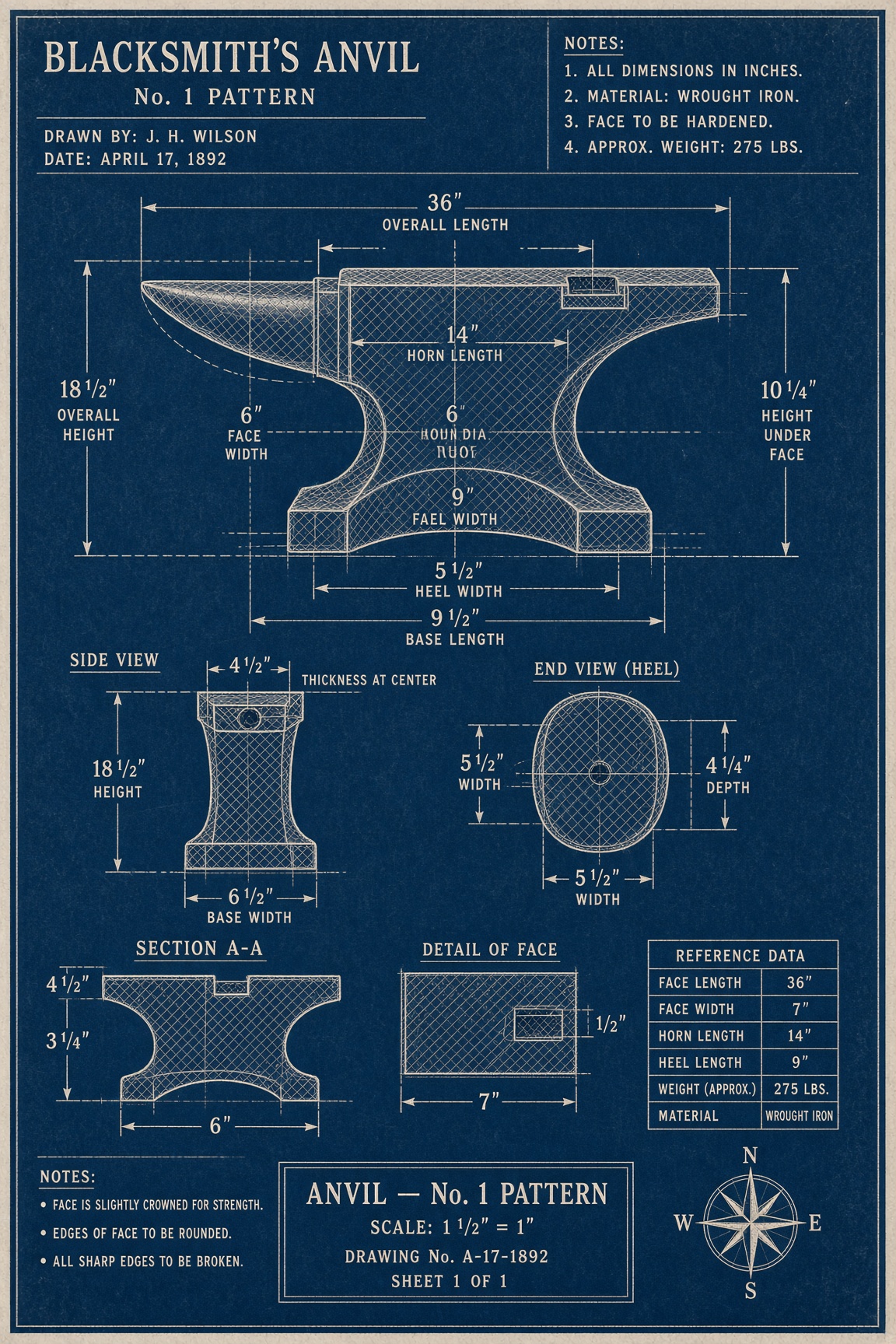
The anvil is named first because it is the struck thing: a plane that stays true after heat. Face for the blow, horn for the bend, hardy for the tool that stands in the hole. Brass appears as a screw in the waist — not ornament, a fastener you could turn with a driver.
Keep the hardy square to the face. A catalog that forgets that is only a picture.
Plate IIFig. 2 · Wood
Grain and limb
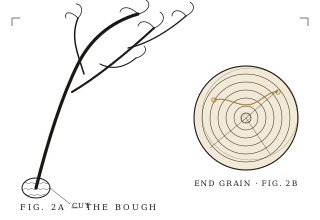
The bough is named second because it was growing before it was useful. End grain tells the year. A thin conductor in the ring is a reminder that this shop does not pretend the twentieth century never arrived: wood can carry a trace the way it carries a check.
Read the ring before you choose the face. The machine will not do that for you.
Plate IIIFig. 3 · Fit
Joint and fastener
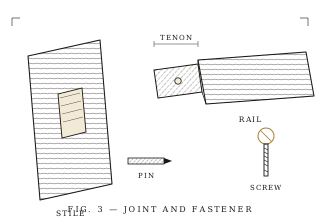
Mortise, tenon, shoulder, pin. The joint is a logic gate made of wood: it either closes or it does not. Beside it, a screw — the same problem solved in metal. One continuum. The obsessive part is the cheek thickness and the length of the tenon, which a good catalog always bothered to show.
If the shoulder is proud, the machine will copy the error forever. Fit it once, by hand.
Plate IVFig. 4 · Logic
A circuit, ruled by hand
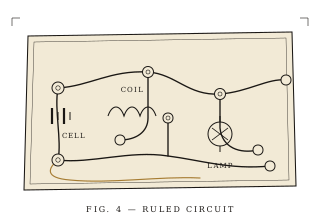
Not a board file. A ruling pen, pads, a coil, a lamp. The small server in a shop is this plate in a box: traces that exist so a bench can think in the dark. Machine logic, drawn with the same line weight as the anvil.
A wandering trace is still a decision. CAD that hides the decision is not more honest.
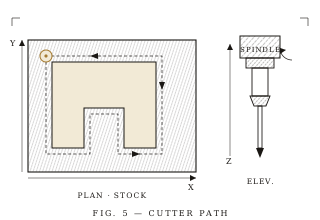
Plate VFig. 5 · CNC
Cutter path
Stock in plan. Offset. Direction of cut. Spindle in elevation, Z up. This is CNC as a plate in a 1905 catalog would have to explain it: a cutter that follows a line you have already judged. The mill does not replace the pattern-maker. It extends the pattern-maker’s afternoon.
Climb or conventional is still a shop-floor argument. Write it on the drawing.
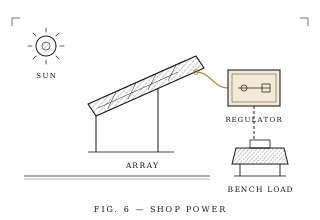
Plate VIFig. 6 · Power
Sunlight as shop power
A panel, a regulator, a bench. Listed the way an old catalog listed a line shaft or a treadle: as the thing that lets the tools run. Solar is not a separate business here. It is contemporary shop power, drawn with iron ink on paper stock.
The load is the point. Power that does not reach the bench is only weather.